
Build Habit Loops

Ever heard of a Chrome extension called Motion?
It is a productivity tool designed to help you prioritize tasks and create calendar events easily.
Think Google Calendar meets Superhuman and Calendly.
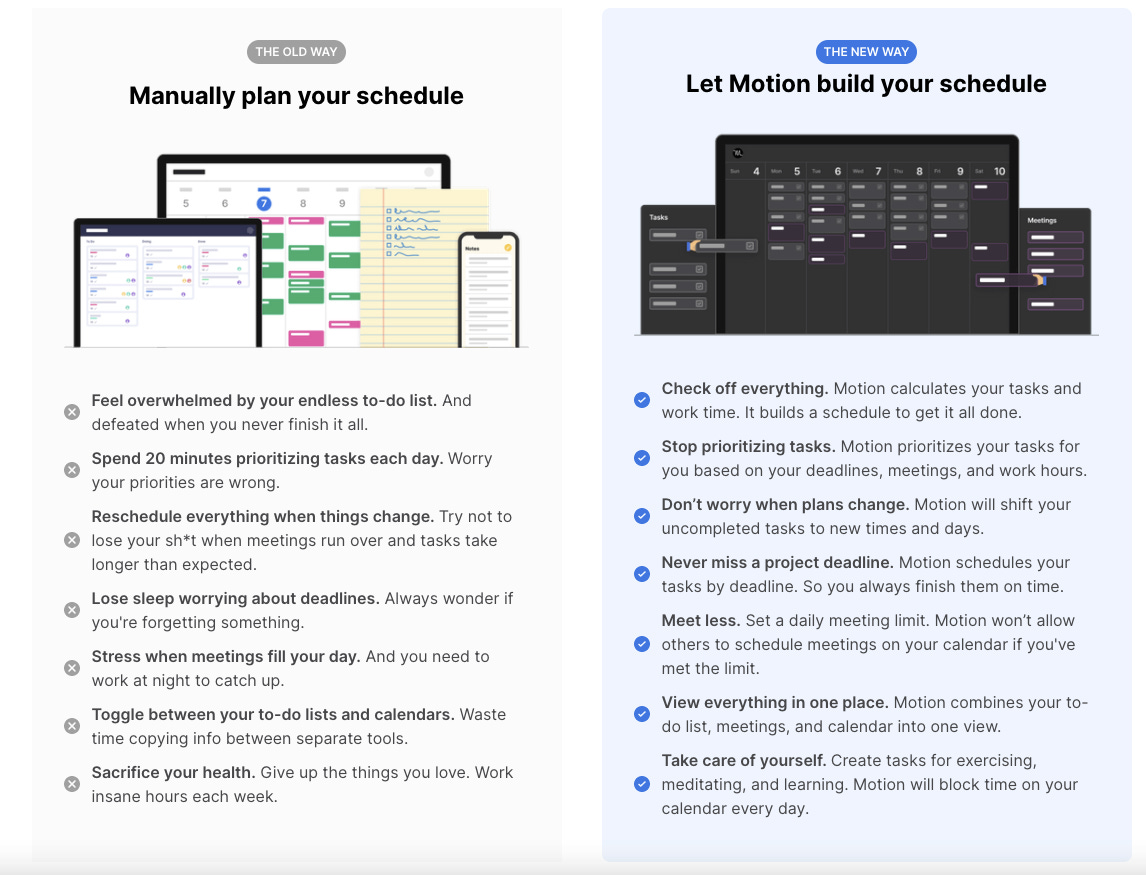
My favorite feature of Motion is its calendar keyboard shortcut (Alt + C). I signed up for the free trial and enjoyed its full benefits over five days.
Schedule a call? Alt + C, drag and drop.
Move a meeting? Alt + C, drag and drop.
Access a zoom link? Motion gives you a “Join Call” pop-up 30 seconds before the call.
No more switching between tabs or wasting time finding time that works with people. All of that can be done within a few clicks, thanks to Motion.
Then free trial ended and along came the first bill.
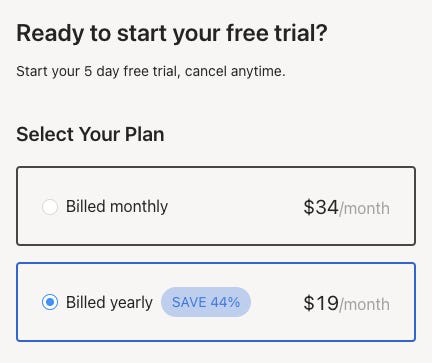
$34/month.
I ended my free trial and reverted back to Google Calendar.
Guess what happened next.
I kept pressing Alt + C on occasions when I would typically use Motion. Only this time, there was no intuitive sidebar to greet me. Instead of speed and convenience, I was met with frustration.
I purchased a yearly subscription two days later.
What the Motion Team built was a stroke of genius. Not only did they craft a product that people wanted, they also designed it in a way that instills habits.
Pressing Alt + C became a habit for me. My mind now associates it with scheduling meetings and creating events. Without it, something felt off. Google Calendar turned terribly inconvenient and inferior.
As you build your next product, I encourage you to think about how to build habit loops in your product.